

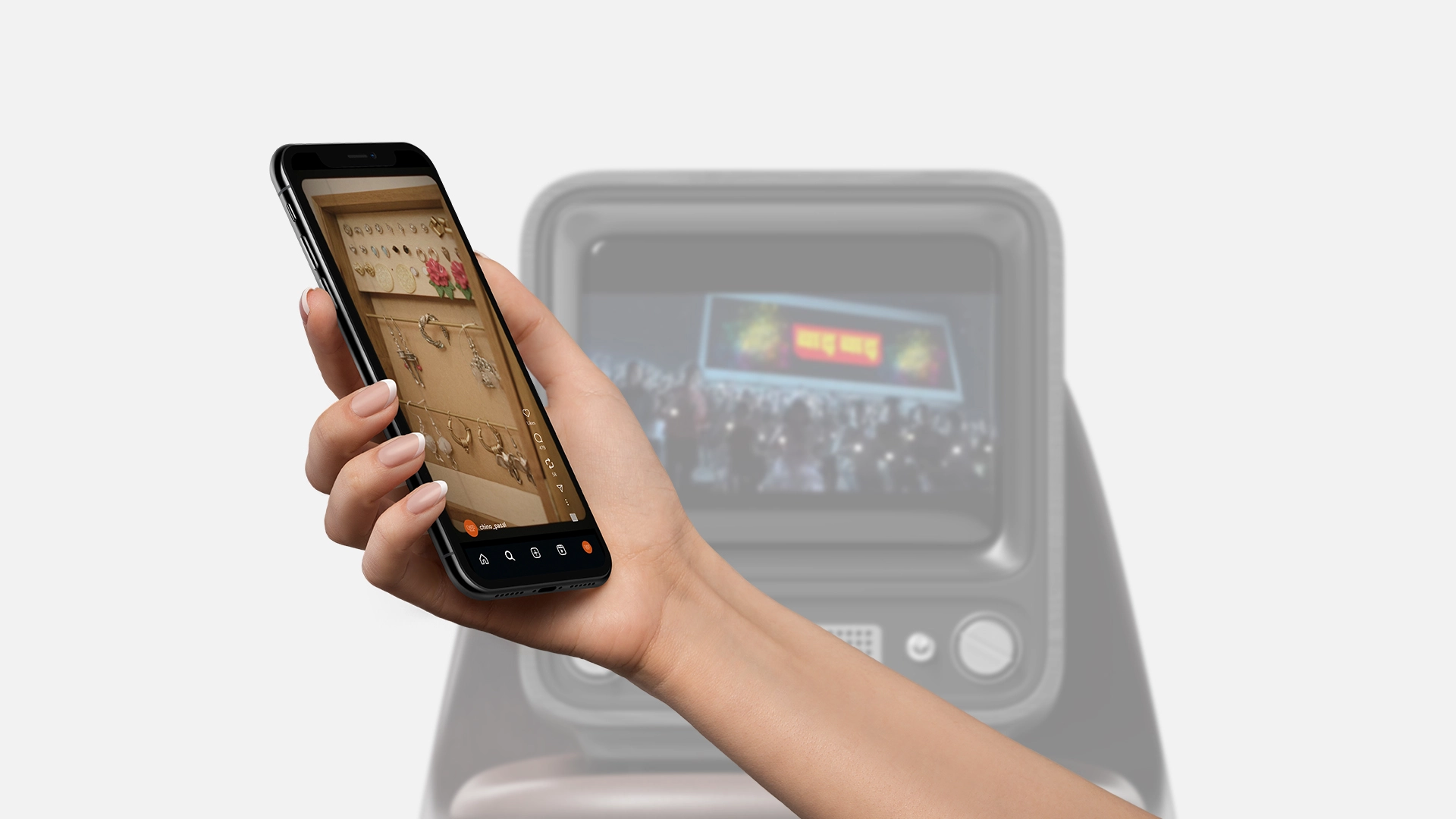
Branding has never been fixed; it evolves with every shift in how we experience the world, and today, that experience is shaped by the small screen we carry everywhere. From the movie theater to the TV and now the palm of your hand, the evolution of screens has completely transformed how brands tell stories and connect with audiences.
Once, a single prime-time TV commercial could define a brand’s identity. Today, that same brand needs to capture attention within seconds, often on a mobile screen smaller than a postcard. The shift from big screens to small screens isn’t just a technological trend; it’s a cultural transformation redefining creativity, attention, and connection.
In this blog, we’ll explore how brands are reimagining creativity and connection in a world that’s moved from cinematic moments to quick, thumb-stopping seconds.
The Evolution of Screen Consumption
From living rooms to pocket-sized screens, the journey of media consumption reflects how audiences now control when, where, and how they watch.
From Prime Time to Real Time
Not long ago, “prime time” was TV’s golden hour, with families watching together at 8 p.m. Smartphones and streaming platforms changed that, making viewing on demand and mobile. Attention is now scattered; people scroll, swipe, and watch on the go. Statista (2024) reports that the average person spends 6 hours 38 minutes online daily, with nearly 57% on mobile. Brands now win through micro-moments, those fleeting seconds between scrolls and taps.
The Rise of Mobile-First Audiences
For Gen Z and Millennials, life happens on small screens. Mobile isn’t just a device; it’s their stage for discovery, expression, and connection. Google (2023) finds that over 70% of Gen Z see their phone as their “window to the world.”
This shift changes not just where content is consumed, but how. Vertical, interactive, and authentic experiences now define storytelling, with platforms like TikTok and Instagram Reels leading the way.
Why Brands Are Shifting to Small Screens
The move toward smaller screens isn’t simply about trends; it’s about adapting to human behavior, efficiency, and accessibility.
People want quick, personal content that fits into their daily rhythm, and brands must create stories that are felt in seconds, not just seen.
Attention and Accessibility
Mobile content is intimate and personal, unlike billboards or TV ads; your message appears right in someone’s private space. This closeness gives brands a unique opportunity to connect authentically. Mobile-first platforms let brands engage audiences anytime, turning morning scrolls, commutes, or late-night TikTok binges into meaningful storytelling moments.
Cost Efficiency and Measurability
Big-screen ads once demanded huge budgets and guesswork. Today, digital campaigns are faster, cheaper, and measurable in real time. According to HubSpot (2024), brands investing in digital video see 3x higher ROI than traditional broadcast ads, proving small screens stretch both creativity and budgets efficiently.
Evolving Consumer Behavior
Consumers are multi-screening like never before, watching Netflix while scrolling TikTok or shopping online while streaming YouTube. The brand experience no longer unfolds on a single screen; it happens across many, simultaneously. This means brands must create connected experiences, where every screen, whether a billboard, a phone, or a laptop, reinforces a cohesive story without simply repeating it, keeping audiences engaged across all touchpoints.
How Brands Are Adapting Their Storytelling
Small screens demand instant, resonant stories. Brands now focus on sparking emotion and interaction, using real people and authentic moments. The best stories don’t just entertain; they invite participation and build connection.
Short-Form Storytelling that Works
Short-form video is the new universal language of attention. Platforms like TikTok and Reels demand concise, emotionally impactful stories.
Take Dove’s “Real Beauty” campaign, for example, which turned its long-form message into brief, heartfelt clips that celebrate authenticity, spark conversation, and reinforce its identity as a brand that stands for real, unfiltered beauty.
Personalization and Interactivity
Modern consumers don’t just want to watch; they want to participate. Interactive storytelling, through filters, polls, augmented reality (AR), or shoppable content, transforms passive viewers into active participants.
For example, Sephora’s AR “Virtual Artist” tool lets users test makeup through their phone camera, merging utility with play.
Consistent Brand Voice Across Platforms
With content spreading across TikTok, Instagram, and YouTube, maintaining a consistent brand voice is crucial. Consistency helps audiences instantly recognize your brand, build trust, and feel connected.
Nike is a prime example, whether it’s a quick TikTok clip, a 6-second motivational Reel, or a full YouTube campaign, the message remains the same: ambition, movement, and the idea that “everyone is an athlete.” This unified approach ensures every piece of content strengthens recognition and cultural relevance.
The Power of Multi-Screen Synergy
The shift to small screens doesn’t mean the end of big-screen storytelling; it’s about making them work together.
Maximizing Impact Through TV and Mobile Integration
Smart brands now combine both screens strategically. For example, a TV ad might spark interest, while a mobile campaign nurtures engagement and conversion.
According to Nielsen (2023), campaigns that integrate TV and digital ads achieve 60% higher recall rates than those using a single channel. The best results come from synergy, not separation.
Case Study – Coca-Cola’s “Share a Coke” Campaign
Coca-Cola’s global “Share a Coke” campaign began with big-screen ads featuring personalized bottles and gained momentum on small screens as users shared photos and stories. The campaign generated over 500,000 user photos and boosted U.S. sales by 2.5%, showing how a connection on one screen can amplify engagement across all others.
Case Study – Netflix’s Mobile Teasers
Netflix uses small screens masterfully. Short, vertical trailers are optimized for social media, often dropped before full-length releases. They create hype, engagement, and anticipation, transforming viewers into advocates before a show even launches.
Data, AI, and the Future of Small-Screen Branding
Technology has turned branding into both an art and a science. Data analytics and artificial intelligence are redefining how brands understand, target, and engage audiences.
AI-Powered Personalization
AI helps brands deliver content that feels personal by analyzing behavior, preferences, and timing. Spotify’s “Wrapped” campaign exemplifies this, turning data into emotion with custom experiences that make branding memorable and meaningful.
Vertical Video and Immersive Formats
Vertical video isn’t a trend; it’s now standard. Studies show mobile vertical ads can achieve up to 90% higher completion rates than horizontal ones. Mobile-first, vertical formats capture attention instantly and keep viewers engaged from the first second.
The Rise of Social Commerce
Social commerce lets audiences shop directly from the content they watch. Platforms like Instagram and TikTok turn inspiration into instant action. Accenture (2023) projects global social commerce sales will hit $1.2 trillion by 2025, three times faster than traditional eCommerce, showing that small screens are now decisive moments for engagement and purchase.
The Challenges of Going Small
Small-screen marketing offers big benefits but comes with challenges. Short attention spans, rapid scrolling, and the need for instantly engaging content force brands to rethink storytelling, design, and timing to make every second count.
Short Attention Spans and Oversaturation
With so much content competing for attention, the window for impact is shrinking. Studies show that the average human attention span is now just 8.25 seconds (Microsoft, 2023).
The solution isn’t louder ads; it’s meaningful storytelling. Brands that lead with authenticity and emotion, rather than gimmicks, hold attention longer.
Maintaining Authenticity in a Fast-Scroll World
Many studies show that consumers now prefer authenticity and realness over polished advertising. Ads and campaigns perceived as genuine, featuring real people, transparent messaging, or user‑generated content, tend to drive higher trust, engagement, and purchase intent. This explains why brands using relatable visuals or behind‑the‑scenes content often perform better than those relying solely on perfection.
Keeping the Human Element
Technology shouldn’t replace humanity in branding. Whether it’s a small creator sharing their passion or a global brand showcasing community, what connects people most is emotion.
The most successful small-screen stories are not those with the highest production value, but those that make people feel something real.
Key Takeaways – The New Screen Strategy
| Old Approach (Big Screen) | New Approach (Small Screen) |
| Scheduled storytelling | Always on, Micro storytelling |
| One-way communication | Two-way interaction |
| High production budget | Agile, low-cost creativity |
| Mass reach | Precision targeting |
| Passive viewership | Active participation |
| Delayed measurement | Real-time analytics |
The new era of branding isn’t about abandoning big screens; it’s about creating a consistent story that flows seamlessly across TV, mobile, and digital platforms, ensuring your audience recognizes and connects with your brand no matter where they encounter it.
Conclusion
Branding today isn’t about choosing between big or small screens; it’s about telling the right story on the right screen at the right moment. As attention shifts to mobile, brands that stay relevant are those that adapt their storytelling, embrace authenticity, and create connected experiences across every touchpoint.
At Element Studio, we help brands do exactly that, crafting digital-first visuals, stories, and strategies that engage, inspire, and leave a lasting impression.
Transform Your Digital Presence→ Discover Our Approach
Contact us and let’s start shaping something meaningful for your brand.
FAQs
Why are brands moving from big screens to small screens?
Because audiences are. Mobile devices now dominate attention, giving brands more direct, measurable, and personal ways to connect.
Is TV advertising still relevant in 2025?
Absolutely. TV still builds emotional impact and mass awareness, but when paired with mobile engagement, it becomes even more powerful.
How can small brands compete in mobile-first marketing?
By focusing on authenticity, creativity, and community-driven content. Even low-budget videos can perform well if they feel real.
What’s the role of AI in mobile branding?
AI personalizes content and predicts what users want to see next, helping brands deliver more relevant and engaging experiences.
How do I keep branding consistent across screens?
Use a unified visual identity, consistent tone, and clear storytelling structure. Every screen should feel like a continuation of the same brand story.